The World Health Organization (WHO) has confirmed that the latest Ebola outbreak in the Democratic Republic of Congo (DRC), declared in early September, has resulted in 42 deaths out of 64 confirmed cases. While the UN health agency assesses the risk of further spread as high within the country, it considers the regional threat to be moderate.
Health officials in the DRC launched a vaccination campaign two weeks ago in response to the resurgence of the deadly virus in the Kasai province. Ebola, a highly contagious haemorrhagic fever first identified in 1976 and believed to originate from bats, has killed about 15,000 people in Africa over the past five decades.
The DRC’s deadliest outbreak occurred between 2018 and 2020, claiming nearly 2,300 lives. WHO chief Tedros Adhanom Ghebreyesus stated on X that as of now, “64 people have had Ebola in the DRC, of which 42 have died.”
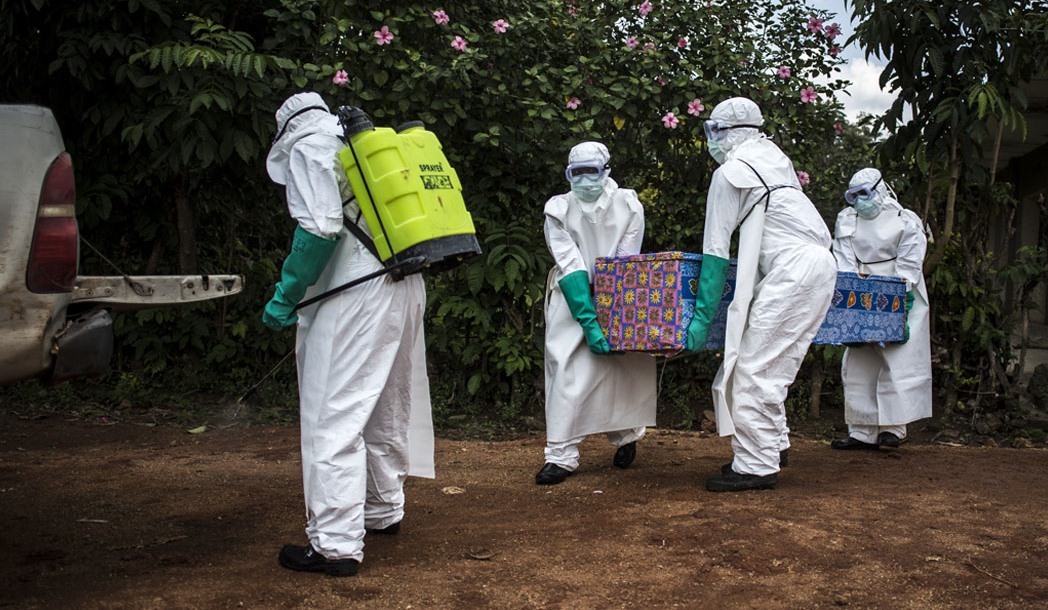
The outbreak is being driven by insufficient protective equipment, incomplete contact tracing, late detection, unsafe burial practices, and high population mobility. The reliance on traditional healers also increases the risk of spread in the nation of over 100 million people.
The current outbreak involves the Zaire strain, for which a vaccine is available. The International Coordination Group on Vaccine Supply (ICG) has approved the shipment of 45,000 additional doses to bolster the DRC’s response efforts.
WHO estimates the case fatality rate of this outbreak at 45.7 percent, compared with previous outbreaks where mortality ranged from 25 to 90 percent.