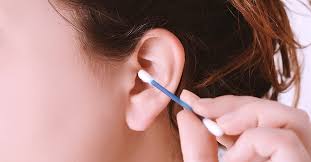
Earwax, medically known as cerumen, is a natural substance produced by the ear to protect and lubricate the ear canal. It traps dust, dirt, and other small particles, preventing them from reaching and damaging the eardrum. While earwax plays an important role in ear health, excessive accumulation can lead to a range of problems—including hearing loss.
Normally, earwax moves outward naturally and falls away from the ear canal. However, in some cases, it may build up and harden, causing blockages. Common reasons for this include:
- Overproduction of earwax by the glands in the ear canal.
- Use of cotton swabs or objects that push wax deeper inside.
- Narrow or oddly shaped ear canals that make natural clearance difficult.
- Use of hearing aids or earplugs for extended periods.
Side Effects of Excessive Earwax
1. Hearing Loss
One of the most common consequences of earwax buildup is temporary hearing loss. Hardened wax blocks sound waves from reaching the eardrum, leading to muffled hearing. In severe cases, it can cause significant difficulty in communication and daily activities.
2. Ear Pain and Pressure
Impacted wax can press against the ear canal walls or eardrum, causing discomfort or even sharp pain. Some people may feel a constant sensation of fullness or pressure in the ear.
3. Tinnitus (Ringing in the Ear)
Excess wax can irritate the ear canal or eardrum, leading to a ringing, buzzing, or hissing sound known as tinnitus.
4. Dizziness and Balance Issues
Because the ear is also responsible for balance, wax buildup may affect the inner ear, leading to dizziness or lightheadedness.
5. Ear Infections
Trapped earwax can create a warm, moist environment where bacteria and fungi thrive, increasing the risk of ear infections. Symptoms may include pain, swelling, discharge, and fever.
- Avoid cotton swabs: Instead of cleaning, they often push wax deeper.
- Use ear drops: Over-the-counter solutions can soften hardened wax.
- Professional cleaning: If earwax buildup becomes frequent, an ENT specialist can safely remove it using irrigation, suction, or special tools.
- Maintain ear hygiene: Gently wiping the outer ear with a damp cloth is sufficient for most people.
Seek medical help if you experience sudden hearing loss, severe ear pain, discharge, or dizziness. Self-removal methods, such as inserting sharp objects into the ear, should be avoided as they can damage the eardrum.
While earwax is a natural defense mechanism, too much of it can harm ear health. If left untreated, excessive buildup may cause temporary or even long-term hearing problems. Maintaining proper ear care and seeking professional help when necessary can prevent complications and keep your ears healthy.