Kasai Province outbreak claims 31 lives as WHO and Africa CDC step up cross-border preparedness.
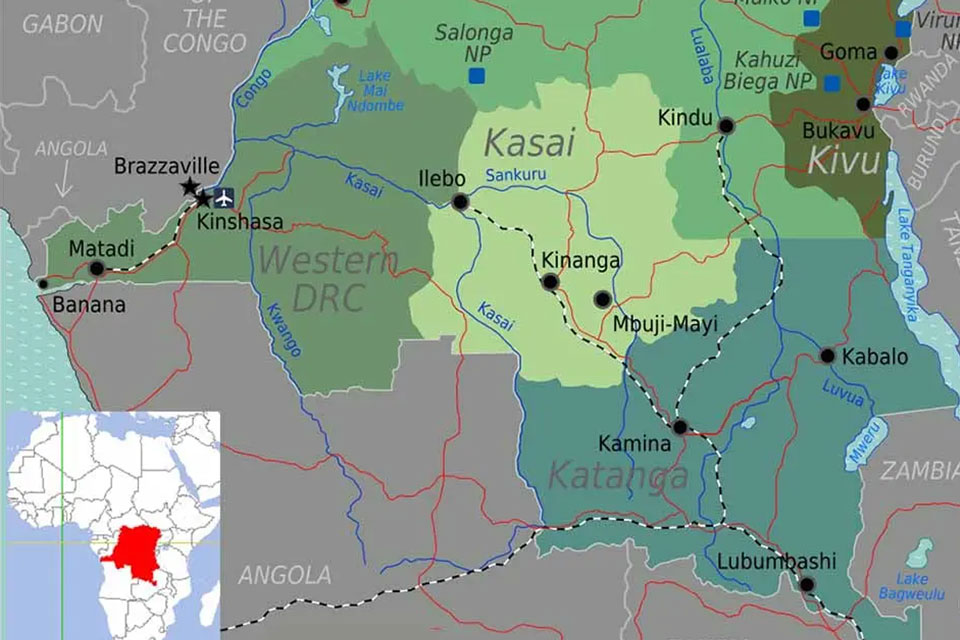
The Democratic Republic of Congo (DRC) is battling a fresh Ebola outbreak in its southwestern Kasai province, prompting urgent calls for neighbouring countries to step up preparedness to prevent cross-border spread.
According to the World Health Organization (WHO), the outbreak, which began in late August, has already recorded 48 confirmed and probable cases, including 31 deaths, in the Bulape health zone.
Regional Response and Cross-Border Preparedness
Health authorities fear that the outbreak could spill beyond the DRC’s borders if not swiftly contained.
WHO has deployed about 50 experts specialising in surveillance, clinical care, infection prevention and control, logistics, and community engagement. A treatment centre has also been set up in the affected area.
The agency is working closely with neighbouring governments to strengthen surveillance at points of entry, particularly along the Angola-DRC border, which is considered the highest risk zone due to heavy cross-border movement.
Other countries at moderate risk include Burundi, the Central African Republic, Congo, Rwanda, South Sudan, Uganda, Tanzania, and Zambia.
“Diseases do not need visas to cross borders. We are working with Angola to build capacity at ports of entry,”
said Charles Njuguna, WHO Africa’s regional advisor for country readiness.
Vaccination Campaign Underway
A ring vaccination campaign is central to the containment strategy. Since 14 September, at least 600 people have received the Ervebo vaccine, prioritising frontline health workers and individuals who had direct contact with confirmed cases.
To avoid vaccine shortages, the International Coordinating Group on Vaccine Provision has approved the shipment of an additional 45,000 doses to the DRC.
Africa CDC Joins the Fight
The Africa Centres for Disease Control and Prevention (Africa CDC) has dispatched a field team to support the DRC Ministry of Health in setting up community-based surveillance.
Community health relays are being trained to:
- Detect suspected cases during household visits
- List and monitor contacts of confirmed patients
- Educate communities about preventive measures
Justus Nsio Mbeta, deputy country director for Africa CDC, noted that community trust remains a challenge.
“There is strong resistance from people who fear being identified as contacts. Some sick individuals are still hiding in the community,” he said.
Building Trust and Fighting Fear
In the early days of the outbreak, fear and panic spread across Kasai. However, continuous engagement with communities has reduced mistrust.
WHO officials say that contact tracing has improved dramatically—from 19% coverage two weeks ago to over 90% today. Nearly 950 contacts are currently under active monitoring.
Otim Patrick Ramadan, WHO’s programme manager for emergency response, reassured residents:
“There is no need to panic. If all measures are followed—quick reporting of cases, safe isolation, vaccination, and safe burials—this epidemic can be quickly contained.”
The Zaire Strain Identified
The outbreak was first detected in a 34-year-old pregnant woman admitted to Bulape General Hospital on 20 August with fever, vomiting, and bleeding. Laboratory tests confirmed the Zaire strain of Ebola, which is known to respond effectively to the Ervebo vaccine.
Experts say early sequencing and strain identification were critical to enabling a swift response.
Global Health Experts Urge Vigilance
Despite the progress, experts warn that Ebola remains a serious threat to fragile health systems.
Yap Boum, deputy head of Africa CDC’s incident management support team, cautioned:
“The outbreak in Kasai continues to pose a major risk, even as treatment and vaccination capacities have improved. Sustained vigilance is essential.”
Key Takeaways:
Community engagement critical to stopping transmission.
31 deaths reported in Kasai province since late August.
WHO and Africa CDC deploying teams to contain outbreak.
Angola identified as top priority for cross-border preparedness.
600+ people vaccinated, with 45,000 more doses en route.