SHARM EL-SHEIKH, Egypt — Indirect negotiations aimed at finalizing a U.S.-backed peace plan to end the nearly two-year war in Gaza resumed Tuesday in Egypt, with U.S. President Donald Trump saying prospects for a deal were “really good.”
Palestinian and Egyptian officials confirmed to the BBC that the discussions are centered on creating “the field conditions” for a potential exchange that would see all remaining Israeli hostages freed in return for Palestinian prisoners held in Israel.
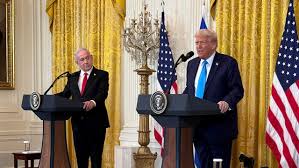
Israeli Prime Minister Benjamin Netanyahu said over the weekend that he expected to announce the release of hostages “in the coming days.”
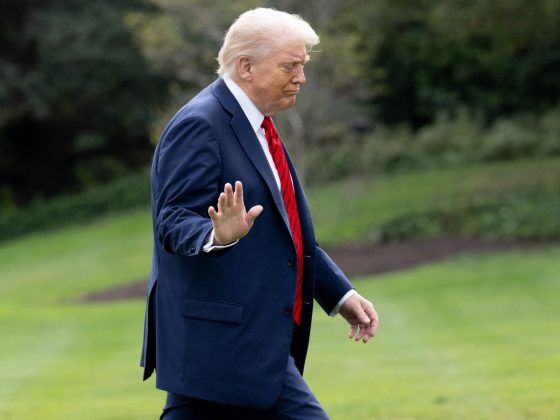
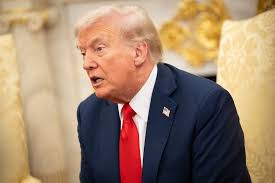
Speaking at the White House on Monday, Trump said, “We have a really good chance of making a deal, and it’ll be a lasting deal,” as delegations from Israel, Hamas, Egypt, and Qatar converged on Sharm El-Sheikh.
Hamas has partially agreed to elements of the U.S. peace plan but has yet to respond to key demands, including disarmament and withdrawal from any future role in governing Gaza.
A senior Israeli security official said the initial phase of the negotiations would focus on securing the hostages’ release, with Hamas given a few days to implement the first stage.
Tuesday’s discussions coincide with the second anniversary of the October 7, 2023 Hamas-led attack on southern Israel, which killed about 1,200 people and saw 251 others taken hostage. Israel’s subsequent military campaign in Gaza has killed at least 67,160 people, including 18,000 children, according to the Hamas-run health ministry.
UN Secretary-General António Guterres described Trump’s plan as “an opportunity that must be seized to bring this tragic conflict to an end.” UK Prime Minister Sir Keir Starmer also voiced support, saying Britain “welcomes the U.S. initiative towards peace in the Middle East.”
U.S. special envoy Steve Witkoff, Trump’s adviser and son-in-law Jared Kushner, and Qatari Foreign Minister Sheikh Mohammed bin Abdulrahman Al Thani are among the key figures attending the talks.
Trump wrote on social media that negotiators should “move fast” and expressed confidence that the first phase — including the release of 48 hostages, only 20 of whom are believed to be alive — “should be completed this week.”
The 20-point peace framework, agreed upon by Trump and Netanyahu, proposes an immediate ceasefire, the release of hostages, and the delivery of full humanitarian aid to Gaza. It also stipulates that Hamas would not govern Gaza but leaves room for an eventual Palestinian state — a clause Netanyahu publicly rejected last week, reaffirming his opposition to Palestinian statehood.
In its response, Hamas said it was prepared to release all Israeli captives “according to the exchange formula contained in Trump’s proposal,” provided the terms were met. The group also reiterated its willingness to transfer Gaza’s administration to a nonpartisan Palestinian technocratic body supported by Arab and Islamic nations.
The omission of Hamas’ traditional hardline conditions in its statement surprised many observers, who saw it as a sign of external pressure and a potential opening for compromise.
The Palestinian Authority, Iran, and several European and Arab leaders have expressed cautious optimism over the plan, calling Trump’s efforts “sincere and determined.”
Despite the renewed diplomacy, Israeli bombardments continued Monday across several parts of Gaza. The Israeli military said its ongoing operations in Gaza City aim to free remaining hostages.
Mahmoud Basal, spokesperson for Gaza’s civil defense, told the BBC that “no aid trucks have entered Gaza City since the offensive began four weeks ago,” adding that rescue teams were unable to recover bodies from certain areas still under Israeli control.
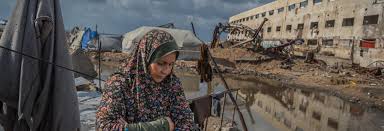
Tens of thousands of civilians have fled toward designated “humanitarian zones” in the south, though many remain trapped in Gaza City amid worsening humanitarian conditions.
In the past 24 hours alone, 21 Palestinians were reported killed and 96 injured, according to Gaza’s health ministry. Independent verification of casualty figures remains difficult as Israel continues to bar international journalists from entering Gaza.