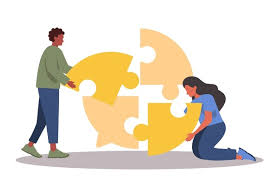
Love is a universal language, but not everyone speaks it the same way. What makes one person feel loved might not have the same effect on someone else. Understanding these differences is key to building healthy, lasting relationships. That’s where the concept of love languages comes in — a framework that helps couples, friends, and families express affection in ways that truly resonate.
The Origin of Love Languages
The concept of The Five Love Languages was introduced by Dr. Gary Chapman in his best-selling book The 5 Love Languages: The Secret to Love That Lasts. Through years of counseling couples, Chapman discovered a simple truth: people express and receive love in different ways. What feels loving to one person might go unnoticed by another.
By identifying these patterns, he outlined five distinct “languages” — Words of Affirmation, Acts of Service, Receiving Gifts, Quality Time, and Physical Touch. Learning which language you and your loved ones speak can transform your relationships.
The Five Love Languages Explained
1. Words of Affirmation
For some people, love is best expressed through kind, uplifting words. Compliments, encouragement, and genuine appreciation mean everything. A simple “I’m proud of you” or “You mean the world to me” can deeply touch someone whose primary love language is affirmation.
Be mindful: criticism or harsh words can wound them more deeply than you might realize. Choose your words with care and sincerity.
2. Acts of Service
For others, actions speak louder than words. Doing something helpful — washing the dishes, running errands, or fixing something around the house — shows love through effort and reliability.
This love language is about thoughtfulness, not servitude. It says, “I care about you enough to make your life easier.” Just remember: forced or resentful help can feel empty. The key is a genuine desire to serve.
3. Receiving Gifts
Despite common misconceptions, this love language isn’t about materialism. It’s about the meaning behind the gift. A handwritten note, a favorite snack, or a small keepsake says, “I was thinking of you.”
For those who speak this language, thoughtful gifts are visual symbols of love and remembrance. The value lies not in the cost but in the effort and intention behind it.
4. Quality Time
Undivided attention is the ultimate expression of love for people who value quality time. They feel most connected when you’re fully present — no phones, no distractions, just shared experiences and deep conversation.
It’s not about how much time you spend together, but the quality of that time. Even a short walk, dinner together, or meaningful chat can make them feel seen and valued.
5. Physical Touch
For some, love is felt most deeply through physical connection — a hug, holding hands, a kiss, or even a gentle pat on the back. Physical touch communicates warmth, safety, and affection in ways words sometimes cannot.
Touch releases oxytocin, the “bonding hormone,” fostering emotional closeness and trust. Of course, this language must always be expressed with respect and consent.
How to Discover Your Love Language
Discovering your love language often starts with self-reflection. Ask yourself:
- What makes me feel most loved or appreciated?
- How do I tend to express love to others?
- What do I crave most in relationships?
You can also take Dr. Chapman’s official Love Languages Quiz for insight. Often, our top one or two languages stand out clearly — but understanding all five helps you communicate love more effectively across different relationships.
Giving and Receiving Love the Right Way
True connection comes from learning to speak your partner’s love language, not just your own. You might naturally express love through gifts, but your partner might crave quality time or words of affirmation.
It’s not enough to love with good intentions — you must love in a way the other person understands.
Healthy relationships are built on balance: giving and receiving affection in meaningful ways. Over time, love languages may shift, so continuous communication and observation are key. Ask your loved ones what makes them feel most cherished and listen with empathy.
Common Challenges and Misunderstandings
Mismatched love languages can lead to frustration or emotional distance. For example, one partner may shower gifts, while the other yearns for more quality time. The result? Both feel unloved, even when both are trying.
The solution is awareness and compromise. Discuss your needs openly, observe your partner’s reactions, and express appreciation in the way they value most. With understanding and patience, even different love languages can harmonize beautifully.
The Broader Impact of Love Languages
Love languages extend far beyond romantic relationships. They can strengthen friendships, improve family bonds, and even foster better workplace dynamics. Knowing whether your child values quality time or affirming words can improve communication. Understanding a colleague’s need for appreciation can build a more positive environment.
Ultimately, love languages encourage empathy — the ability to step outside yourself and see what makes others feel valued. That awareness can transform every part of your social and emotional life.
Conclusion
Love languages remind us that connection is not one-size-fits-all. To love deeply and effectively, we must learn how others experience love — not just how we prefer to give it.
When you take the time to understand and speak the right love language, you’re not just expressing affection — you’re nurturing trust, intimacy, and lifelong connection.
Because love, when spoken fluently, becomes more than a feeling — it becomes a shared experience that brings hearts closer together.