U.S. President Donald Trump on Friday unveiled sweeping new immigration measures, including a dramatic increase in the cost of H-1B visa applications and the introduction of a high-priced residency option.
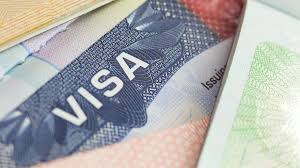
Under the new proclamation, the application fee for H-1B visas — widely used by technology companies to bring in skilled foreign workers — will rise to $100,000, effective Sunday. At the same time, Trump introduced a “gold card” residency program, which grants expedited U.S. residency for individuals willing to pay $1 million, or $2 million if sponsored by a corporation.
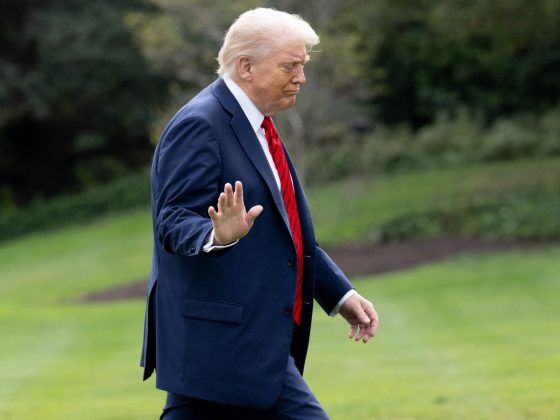
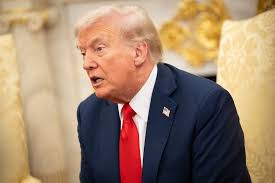
“The main thing is, we’re going to have great people coming in, and they’re going to be paying,” Trump told reporters in the Oval Office as he signed the orders.
The H-1B visa program allows U.S. companies to hire foreign professionals with specialized skills, such as engineers, computer programmers, and scientists. Currently, the U.S. issues 85,000 H-1B visas annually through a lottery system, with Indian workers accounting for nearly 75% of recipients.
Tech giants and entrepreneurs — including Tesla CEO Elon Musk, a former Trump ally — have repeatedly warned that curbing access to H-1B visas could harm the U.S. economy, given the shortage of skilled domestic workers in key industries.
Commerce Secretary Howard Lutnick, who joined Trump during the announcement, defended the move, saying: “All the big companies are on board.”
Trump has repeatedly sought to overhaul the H-1B program, dating back to his first term, though earlier efforts faced significant legal challenges. This latest move forms part of a broader immigration crackdown in his second term.
The new fee will remain in effect for one year, though Trump retains the option to extend it. The Homeland Security secretary has been granted authority to exempt certain individuals, companies, or industries from the fee.
The announcement comes as H-1B demand continues to surge. The U.S. approved around 400,000 H-1B visas in 2024, two-thirds of which were renewals. Peak approvals occurred in 2022 under President Joe Biden, while peak rejections were recorded in 2018, during Trump’s first term.
Alongside the visa hike, Trump’s new residency program opens a fast-track pathway for wealthy individuals and corporate sponsors. “I think it’s going to be tremendously successful,” Trump said.