
Vitamin C, also known as ascorbic acid, is a vital nutrient that supports the immune system, promotes healthy skin, aids wound healing, and enhances the absorption of iron from plant-based foods. Since the human body cannot produce or store vitamin C in large amounts, it is essential to consume it regularly through a balanced diet.
Fortunately, nature provides an abundance of fruits packed with this powerful antioxidant. Here are five of the best fruits rich in vitamin C — along with practical tips on how to use them effectively.
1. Oranges

- Vitamin C content: ~70 mg per medium-sized orange (117% of daily requirement).
- Benefits: Boosts immunity, supports skin health, and aids digestion thanks to its fiber content.
- Best way to use: Eat the fruit whole to maximize both vitamin C and dietary fiber. Freshly squeezed orange juice is also beneficial, but avoid added sugars.
2. Kiwi
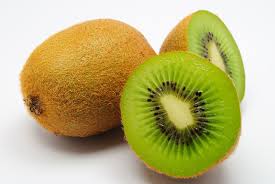
- Vitamin C content: ~71 mg per fruit, often higher than an orange.
- Benefits: Rich in antioxidants and potassium, kiwi helps manage blood pressure and supports heart health.
- Best way to use: Slice and eat raw, add to fruit salads, or blend into smoothies. The skin is also edible and adds extra fiber.
3. Strawberries

- Vitamin C content: ~59 mg per 100 grams (about 8 strawberries).
- Benefits: Promotes healthy skin, strengthens immunity, and may help reduce inflammation.
- Best way to use: Enjoy fresh as a snack, mix into yogurt or oatmeal, or use in smoothies. Avoid heavy cooking, as heat can destroy vitamin C.
4. Pineapple

- Vitamin C content: ~79 mg per cup of chunks.
- Benefits: Contains bromelain, an enzyme that aids digestion and may reduce inflammation, alongside its high vitamin C content.
- Best way to use: Eat fresh pineapple chunks, add to salads, or blend into juices and smoothies. Fresh is best, as canned pineapple often loses nutrients and may contain added sugars.
5. Guava
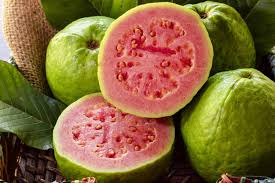
- Vitamin C content: ~228 mg per fruit (over 200% of daily requirement).
- Benefits: One of the richest natural sources of vitamin C, guava supports immunity, gut health, and blood sugar regulation.
- Best way to use: Eat raw for maximum benefit, or enjoy in fruit salads and juices. The skin and seeds are edible and contain additional nutrients.
Tips for Maximizing Vitamin C Intake
- Eat fruits raw when possible: Vitamin C is heat-sensitive and can be destroyed by cooking.
- Pair with iron-rich foods: Vitamin C enhances iron absorption, especially from plant-based sources like spinach, beans, and lentils.
- Consume daily: Since vitamin C is water-soluble and not stored in the body, regular intake is important.
- Choose fresh over processed: Packaged juices and canned fruits often lose much of their vitamin C during processing.
Conclusion:
Fruits like oranges, kiwi, strawberries, pineapple, and guava are excellent sources of vitamin C. Incorporating them into your daily diet — fresh and minimally processed — is the most effective way to strengthen immunity, improve skin health, and support overall wellbeing.